Artificial Intelligence (AI) is changing the working environment in all markets including the Middle East (ME) talent market. This article is going to venture into the effects of AI on workplace and how it can be used to improve productivity, as well as ways in which companies can harness the potential of AI to improve growth, innovation, and talent.
The Worldwide Effect of AI in the Job Market
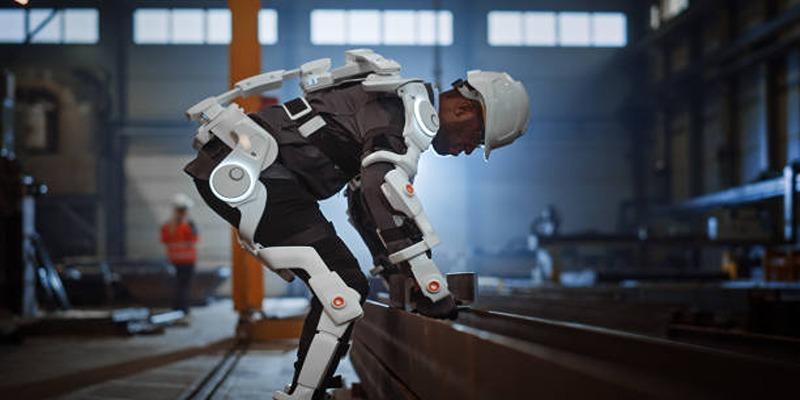 AI is revolutionizing the way workplaces are going, reshaping the way businesses are conducted, innovated, and compete across the globe. Through automatization of repetitive work, better decision-making, and enhancement of efficiency, AI is causing dramatic changes in the industry discourse.
AI is changing work and opening up new opportunities in every industry, including data processing, customer experience, services and products. There are, however, other problems that accompany it, such as a requirement to reskill employees, solve ethical questions, and fair accessibility to AI tools.
AI in the Middle East Talent Market Market
The Middle East has a lot to benefit in the context of the potential of AI, and so does its talent market. Due to its detrimental attention to digital transformation and economic diversification, AI is transforming major sectors in society that include finance, healthcare, and energy.
States and organizations are strongly investing in AI technologies to ease production and re-skill employees, as, for example, the UAE, has currently developed the National AI Strategy 2031, and Saudi Arabia raised the goals of the strategy to the year 2030. Such initiatives highlight the necessity of AI solutions that will match the current shifts in the labor market of the area.
Current Landscape of AI Adoption
In the past few years, the use of AI in the Middle East expanded dramatically. A report released by PwC has shown that AI can add up to 320 billion dollars into the economy of the region by 2030, which represents 11 percent of economic growth. The adoption of AI is fronted by UAE and Saudi Arabia, and the latter anticipates the sector to contribute 12.4 percent to the GDP of the country by 2030.
Moreover, according to a Microsoft research, in the Middle East, about 70 percent of companies are either experimenting with or have already embarked on the implementation of AI tools to boost the productivity and decision-making processes.
Key Industries Driving AI Implementation
Artificial intelligence is rapidly transforming industries across the Middle East, unlocking unprecedented opportunities for growth and innovation. The region's strategic focus on AI is evident in its integration across key sectors, driving efficiency, enhancing decision-making, and fostering economic diversification. Below, we explore the major industries leading this AI revolution.
Healthcare Transformation with AI
The healthcare sector is leveraging AI to revolutionize patient care and diagnostics. From AI-powered imaging systems that enhance accuracy in diagnostics to predictive analytics for personalized treatments, AI solutions are optimizing healthcare delivery. Additionally, AI plays a vital role in operational efficiency, such as in hospital management systems and patient data analysis, improving overall outcomes.
Finance and Banking Advancements
AI is a game-changer for the financial services industry, powering algorithms for fraud detection, credit scoring, and predictive analysis. Banks and financial institutions are utilizing AI chatbots to provide seamless customer service. Furthermore, AI-driven platforms enable faster, more secure transactions and personalized financial planning, instilling greater trust and convenience for customers.
Revolutionizing Retail with AI
Retail businesses in the Middle East are adopting AI to elevate customer experiences and streamline operations. AI technologies, such as recommendation engines and virtual assistants, offer personalized shopping experiences. Additionally, predictive analytics is helping retailers optimize inventory management and enhance supply chain efficiency, ensuring businesses stay ahead in a highly competitive market.
Challenges in AI Integration Across Sectors
Artificial Intelligence (AI) integration comes with several challenges that need to be addressed to maximize its potential. Below are some key obstacles faced across sectors:
- Data Privacy and Security: Ensuring the protection of sensitive data while complying with regulations.
- High Implementation Costs: The significant investment required for AI infrastructure and development.
- Skill Gaps: A shortage of trained professionals to develop and manage AI systems.
- Bias in Algorithms: The risk of perpetuating societal biases through poorly designed AI models.
- System Scalability: Difficulties in scaling AI solutions to handle large-scale operations effectively.
AI's Role in Shaping the Talent Market
The rise of AI technology has significantly transformed skill requirements and job roles across industries. Traditional roles are evolving to incorporate technological proficiencies, with an increasing demand for expertise in data analysis, machine learning, and AI system management. Professionals are now required to possess a blend of domain knowledge and technical skills to thrive in the AI-driven economy.
Demand for Tech-Based and AI-Driven Roles
There is a growing demand for tech-based and AI-driven roles such as AI specialists, data scientists, and machine learning engineers. These roles are critical for developing, deploying, and maintaining AI solutions capable of driving innovation and optimizing operations. Additionally, jobs focused on AI ethics, system audit, and algorithm transparency are emerging to address challenges like bias and regulatory compliance.
Bridging Skill Gaps Through Training and Reskilling
To tackle the skill gaps in the workforce, companies and educational institutions are emphasizing training and reskilling initiatives. Upskilling programs, online courses, and partnerships with tech organizations aim to prepare professionals for AI-centric roles. By fostering continuous learning and adapting talent development strategies, businesses and governments can empower workers to meet the demands of a rapidly transforming job market.
Opportunities AI Brings to the Workplace

AI has revolutionized productivity and efficiency in the workplace by automating repetitive and time-consuming tasks. This allows employees to redirect their focus toward more strategic, creative, and value-driven roles that require human insight and innovation. From data entry to routine administrative duties, automation reduces errors and accelerates processes, ultimately improving overall performance.
Furthermore, the rise of AI has opened exciting opportunities in research and development, fostering innovation in areas such as machine learning, robotics, and natural language processing. These advancements not only drive progress within industries but also create new career paths for those with the skills to shape the future of AI.
Strategies for Talent Development
To keep up with the rapid advancements in AI, organizations must focus on equipping their workforce with the necessary knowledge and skills. This can be achieved through a combination of strategic approaches:
- Offer training programs to help employees understand AI basics and practical applications.
- Partner with schools and industry leaders to create tailored learning opportunities on AI advancements.
- Provide access to online courses and certifications so employees can upskill at their own pace.
- Encourage collaboration through workshops and knowledge-sharing sessions to spark creative problem-solving.
- Set up mentorship programs with AI specialists to provide hands-on support and advice.
Conclusion
AI is reshaping the future of work in the Middle East by transforming industries, redefining roles, and creating new opportunities for growth. As governments and organizations continue to invest in AI adoption, the focus must shift toward empowering talent through education, reskilling, and innovation. By addressing challenges like data privacy, skill gaps, and algorithmic bias, the region can unlock AI’s full potential, ensuring inclusive progress and a competitive, future-ready workforce.