Introduction: Power and Responsibility of Data-Driven Storytelling
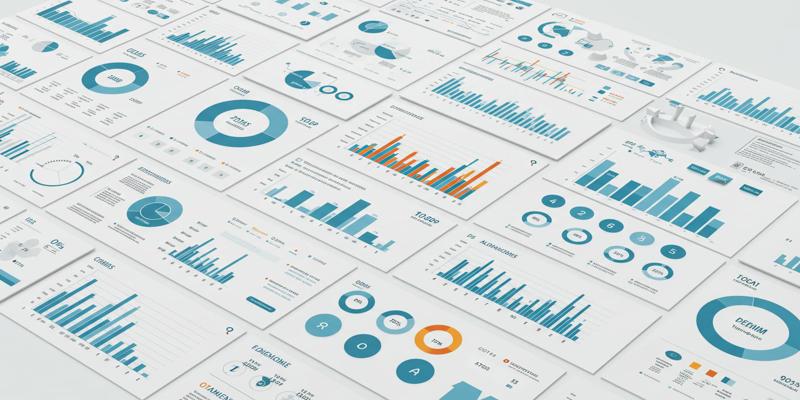 In the data-driven world, the use of data to tell stories can be an effective means of influencing decision-making, creating opinion, and informing action. But along with this power, one must also be responsible for presenting data in an honest and ethical manner. Deception of audiences, either directly or indirectly, erodes trust, creates bad decision-making, and ruins reputations.
The question of how not to mislead with your data-driven story is a central one to data scientists, analysts, and communicators. You can ensure your insights are truthful, clear, and actionable by following ethical principles and best practices in data visualization and storytelling.
This paper will discuss the ways of preventing the common pitfalls of data storytelling and visualization, and outline the most important ethical principles and practical considerations that will help you to make your story accurate and respectful to reality.
Why Ethical Data Storytelling Matters
Deceptive or partisan information narratives may be very dangerous:
- Loss of Trust: Viewers will lose trust in information presented by the organization or the people who visualize data when they are presented in a misleading way or when they lack context.
- Poor Decision-Making: Misinterpretation or distortion of data may prove to be expensive business, policy, and healthcare-wise.
- Increasing Prejudice: Prejudices or social injustices can be supported by selective presentation.
- Legal and Compliance Risks: Unethical use of data can lead to violating the law or to the loss of reputation.
Conversely, ethical data storytelling builds credibility, enhances understanding, and drives responsible action.
Basic rules to prevent deceptive data narratives
1. Precision and Integrity
- Present your facts as facts, not as you want them to be. Avoid cherry-picking of data in order to prove pre-conceived conclusions. Always check your source of data, compare them, and report limitations or uncertainties openly.
- Choose proper scales, and do not use truncated axes, which distort trends.
- Avoid selectivity of data in support of your argument.
2. Transparency and Plainness
- An easy-to-interpret visual aid will allow you to make your audience understand the main ideas in a minute.
- Select the appropriate type of chart to use with your data (e.g., line charts when it is time series, bar charts when it is categories).
- Try to get rid of visual clutter.
- Select readable fonts, labels, and colors that are used consistently.
3. Impartiality and Equity
- Make sure that your story is objective in presenting data without giving it any bias.
- Avoid tendentious aggregation/grouping, which obstructs interpretation.
- Present the other side of the issues when it is appropriate.
- Be aware of and limit your own biases when analyzing.
4. Context and Openness
- Always give details concerning the manner in which the data was gathered, manipulated, and what it is.
- Determine the sources of data and the time span.
- Explain procedures and terminologies in data preparation.
- Describing assumptions or possible mistakes.
5. Information Confidentiality and Responsible Treatment
- Defend sensitive or secret data.
- Where data must be identified, anonymize or aggregate data so that they cannot be identified.
- Adhere to the data protection laws and seek permission when managing personal information.
6. Inclusiveness and Accessibility
- Write your data narratives in a manner that is comprehensible and non-offensive to the various audiences.
- Be sensitive to the use of color and symbols.
- Use people with disabilities accessible design (e.g., colorblind-friendly palettes).
- Write in simple words to increase understanding.
Common Pitfalls That Mislead Data-Driven Stories—and How to Avoid Them
Pitfall | Description | How to Avoid |
|---|---|---|
Truncated axes | Shortening axes to exaggerate changes | Use complete, meaningful axis ranges |
Cherry-picking data | Selecting only favorable data points | Present comprehensive data, not just supportive samples |
Misleading aggregates | Combining categories to hide variation | Retain granularity and explain aggregation choices |
Inappropriate chart types | Using charts that distort data understanding | Match chart type to data structure and message |
Overusing color or 3D effects | Distracts or confuses viewers | Use color purposefully; avoid unnecessary embellishments |
Omitting uncertainty or error bars | Hiding data variability | Include confidence intervals or error visualizations |
Ignoring audience needs | Making visuals too complex or technical | Tailor visuals and language to the audience's knowledge level |
Ethical and Effective Best Practices of Data Storytelling
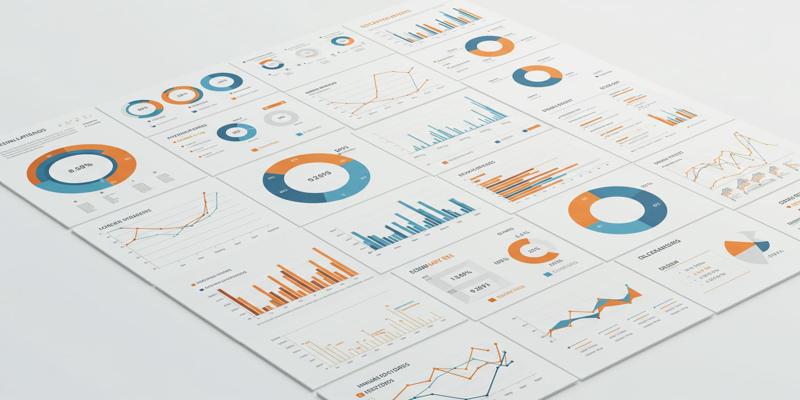 1. Write Your Story with an Audience
Learn to know your audience, what they are interested in,, and how knowledgeable they are. Customize your message to fit their needs, and do not use jargon to convey a general message or add depth of technicality to an expert.
2. Begin With Specific Goals
Determine what you want your story to do: inform, persuade, or explore. Have the goals of your work inform the choice of data, narrative, and graphics.
3. Add Meaning Using Narrative
Combine the visuals with narrative text that explains things to the viewer and walks them through discoveries, constraints, or unexpected results. Mark or highlight to attract attention.
4. Peer Review and Validate
Show your data and story to peers or experts in the field of study before publishing, to identify mistakes, biases, or deceptive aspects. Openness and assurance are improved by external monitoring.
5. Make Data and Methods Accessible
Provide raw data, code, or methodology instructions where possible. This allows other people to check your work and creates credibility.
6. Welcome Comments and Editing
Ethical data storytelling is iterative. You should be ready to revise your narrative when you get new data or when criticism comes in.
Tools and Techniques to Support Ethical Data Storytelling
- Utilize the assistance of such platforms as Tableau, Power BI, or D3.js, which allow creating clear, interactive visualizations with accessibility features.
- Document data provenance and transformations (e.g., using version control and documentation tools such as GitHub).
- Look to principled design in books on style like The Truthful Art by Alberto Cairo or writings by Edward Tufte.
- Use colorblind simulation tools to perform testing.
- Use dashboards that show uncertainty and data quality metadata.
Conclusions
Ethics should be your guide in your data-driven storytelling that creates trust, clarity, and impact. By avoiding manipulation, being up-front about data and limitations, honoring diversity of audience, and focusing on effective communication, you can transform your work beyond the presentation of data into a meaningful insight.
The bottom line of how not to mislead with your data-driven story is to respect your data, your audience, and your role as a communicator in an increasingly data-driven world.