The integration of advanced computational systems into global communication networks represents one of the most profound technological shifts of the last decade. These systems are moving far beyond simple message delivery; they are actively shaping the content, context, and very nature of our interactions. This transformation presents a dual reality: unprecedented efficiency and access, paired with fundamental challenges to the authenticity and depth of human relationships.
The impact is visible across two primary domains: first, the mechanics of communication itself, where tools augment or substitute human effort; and second, the structure of relationships, where new forms of digital companionship and mediated interaction emerge.
Changing the Mechanics of Communication
Computational systems are systematically altering the tools and processes used in both professional and personal communication.
Eliminating the Language Barrier
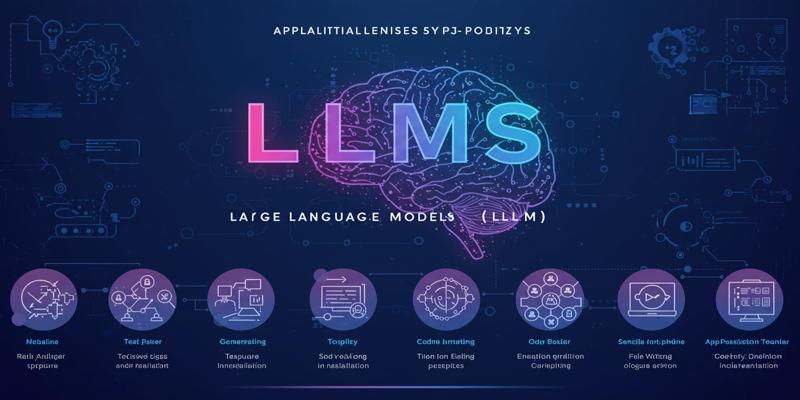
The most visible positive impact is the near-elimination of linguistic friction. Real-time translation tools, powered by complex language models, allow individuals to communicate across vast language divides instantly. Whether in a multi-national business conference or a simple personal text exchange, these systems translate speech and text with a speed and contextual nuance that was impossible a decade ago. This capability democratizes global interaction, making cross-cultural communication seamless and fostering collaboration that was previously limited by linguistic fluency.
Augmenting the Creation of Content
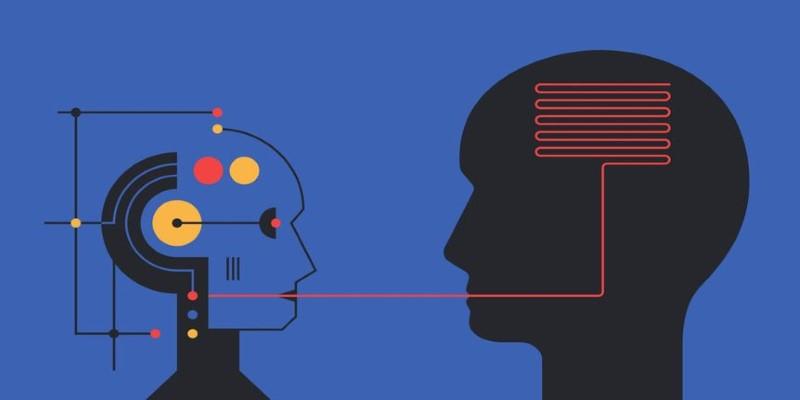
For professional communicators, these systems serve as powerful drafting co-pilots. They automate the creation of routine textual output, such as first drafts of emails, marketing copy, internal reports, or customer service responses. By analyzing context, the system can instantly adjust the tone of a message—converting a casual set of notes into a polished corporate announcement, or softening a formal complaint into a diplomatic inquiry. This does not replace the human writer, but frees their time from repetitive drafting, allowing them to focus on the high-value tasks of strategy and final editorial judgment.
Managing Information Overload
The sheer volume of digital messages can fragment attention and hinder productivity. Computational tools are used to combat this information overload by intelligently triaging, summarizing, and prioritizing data. Systems analyze a user’s communication history and ongoing projects to:
Filter Noise: Automatically sort low-priority internal emails or promotional messages away from critical client communications.
Generate Digests: Condense long email chains or meeting transcripts into short, actionable summaries, presenting only the key decisions and assigned action items.
Predict Urgency: Use probabilistic modeling to assess the true importance of an incoming message based on sender, topic, and historical response time, adjusting notification levels accordingly.
Reshaping Relationship Structures
The changes in communication mechanics inevitably flow into the nature of social and personal relationships, introducing novel forms of companionship and complex ethical dilemmas.
The Rise of Digital Companionship
A significant trend is the emergence of highly sophisticated digital companions—often text-based systems—that simulate deep, ongoing interpersonal relationships. These platforms learn an individual’s personality, emotional history, and conversational style through continuous interaction. For individuals who lack social support or face geographical or time constraints, these systems provide a powerful form of on-demand, non-judgmental conversational support.
Research suggests that users form genuine emotional bonds with these systems. They experience feelings of comfort, companionship, and even intimacy, particularly when the system is designed to gradually self-disclose information and reciprocate the user's emotional tone. This raises profound questions about the future role of technology in alleviating loneliness and defining the boundaries of digital intimacy.
The Erosion of Authentic Signals
As computational tools become seamlessly integrated into communication, they risk eroding the authenticity of human-to-human interaction. When a user relies on a system to refine their tone, fix their grammar, or even generate the entire message, the communication sent is no longer a direct, unmediated expression of the sender’s cognitive state.
Loss of Non-Verbal Cues: Digital communication, already lacking the non-verbal cues (body language, tone of voice) vital for empathy and trust, is now filtered through an additional layer of optimization.
Reduced Trust: Studies show that when individuals know they are interacting with an automated agent, or even suspect the use of automated assistants, they exhibit decreased levels of trust, fairness, and cooperation, suggesting a fundamental skepticism toward non-human decision-making in social contexts.
This introduces an ethical dilemma: is it honest to send a communication crafted by a machine if the recipient believes it was entirely written by a human?
Navigating Deception and Manipulation
The power to generate human-like language at scale also enables sophisticated new forms of deception. Technologies that can convincingly clone a human voice or synthesize realistic video footage (deepfakes) pose a significant threat to trust within relationships, institutions, and public discourse.

Furthermore, computational systems can be used to generate highly personalized, persuasive, and deceptive communications tailored to exploit individual psychological vulnerabilities, intensifying the risk of online scams, targeted manipulation, and the rapid, convincing spread of misinformation.
The Ethical Imperative for Governance
The trajectory of communication requires robust ethical frameworks to mitigate the risks associated with synthesized interaction and emotional engagement.
Transparency and Disclosure: Users must have the right to know when they are interacting with a system versus a human. Clear disclosure standards are necessary in all high-stakes or emotionally intimate contexts.
Addressing Bias: Since language models learn from vast human communication data, they absorb and amplify existing societal biases.18 If left unchecked, these systems could unintentionally perpetuate stereotypes or unfair social dynamics through their automated language and recommendations.
Defining Digital Rights: New regulations must address the rights of the user regarding their personal conversational data and the synthesized companion profiles built from it. The individual must maintain custodianship over their digital self, preventing exploitation or unwanted data retention.
Conclusion: Balancing Efficiency with Empathy
The integration of advanced computational systems into communication offers undeniable gains in speed, accessibility, and informational efficiency. It democratizes global collaboration and provides new pathways for companionship.
However, the technology acts as a powerful lever that challenges the authenticity of social bonds. The future of relationships will depend on establishing a deliberate balance. While machines can handle the complexity of language and data, humans must maintain a vigilant focus on the uniquely irreplaceable elements of communication: empathy, ethical judgment, critical thought, and the shared, unmediated emotional experience that defines true connection.